

Why You Need to Check the Turbidity of Humanitarian Water
Why You Need to Check the Turbidity of Humanitarian Water
In humanitarian situations, where access to clean water can be severely limited, monitoring the turbidity of water is essential for several critical reasons.
Health Risks of High Turbidity
Turbidity in water, caused by suspended particles, can harbor harmful microorganisms, including bacteria, viruses, and parasites. Drinking turbid water increases the risk of waterborne diseases, which are a major concern in humanitarian crises. These diseases can rapidly spread in environments with limited healthcare facilities, affecting large populations.
Impact on Water Treatment
Turbidity can impede the effectiveness of water treatment. Particles in turbid water can shield pathogens from disinfectants like chlorine, reducing their efficacy. This makes the disinfection process more challenging and less reliable. Additionally, high turbidity can clog filters and other water treatment equipment, leading to increased maintenance needs and potentially disrupting the water supply.
Indicator of Environmental Changes
Turbidity levels can also indicate environmental changes or disturbances. Sudden increases in turbidity can signal issues such as soil erosion, runoff from rainfall, or pollution events, which are crucial to identify for managing water resources effectively in humanitarian settings.
Challenges in Monitoring
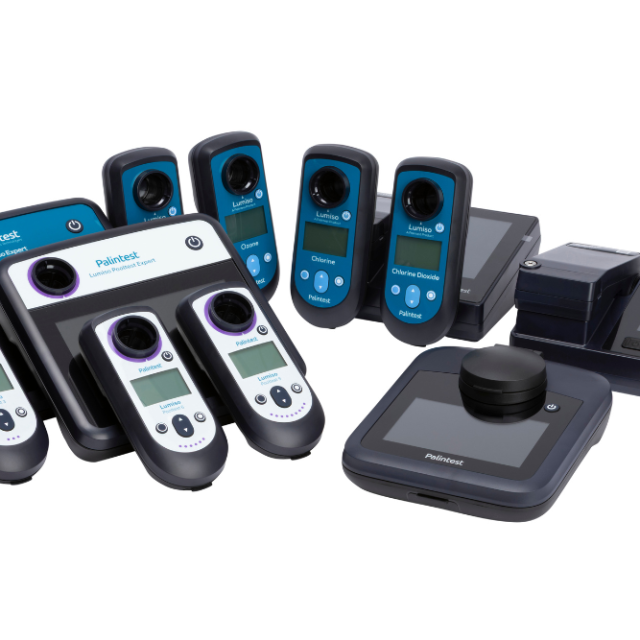
Regular monitoring of turbidity in humanitarian contexts can be challenging due to resource constraints and logistical issues. However, it’s essential for ensuring the safety of water sources. Various methods, from simple visual assessments to more sophisticated electronic turbidity meters, can be employed depending on the available resources.
Importance of Community Education
Educating communities about the importance of turbidity and its implications on water quality is also vital. Awareness can lead to better water handling practices and preventive measures to maintain water quality.
Effectiveness of Water Treatment Processes
In humanitarian crises, monitoring the turbidity of water is crucial for protecting public health, ensuring the effectiveness of water treatment processes, and responding to environmental changes. Regular assessment, appropriate treatment strategies, and community education are key components in managing the risks associated with turbid water.