Understanding Water Quality Testing Standards in Practice
Water quality testing standards are the frameworks that translate scientific understanding into practical safeguards. They define acceptable limits for a wide range of chemical and physical parameters, from disinfectant residuals and turbidity to nutrients, metals, and operational indicators that reflect treatment performance.
In the United States, these standards are set and enforced through federal and state regulation, with oversight from bodies such as the Environmental Protection Agency. Utilities are required to routinely test source water, treated water, and distribution systems to demonstrate compliance and to identify emerging issues before they pose risks to public health.
Importantly, testing standards are not static. They evolve as infrastructure ages, source water conditions change, and scientific understanding improves. This makes ongoing monitoring, data quality, and analytical reliability essential — not just during periods of regulatory change, but as a permanent feature of water management.
Beyond Individual Chemicals: Why Monitoring Matters
Public debate often centers on specific contaminants, particularly when new research highlights potential health effects. While such discussions are important, they can sometimes obscure a broader reality: drinking water safety relies on the combined performance of treatment processes, not just the presence or absence of individual substances.
Parameters such as chlorine or chlorine dioxide residuals, turbidity, pH, and other routine chemical indicators play a critical role in ensuring that treatment barriers are functioning as intended. These measurements help utilities confirm that disinfection is effective, filtration is stable, and distribution systems remain protected from microbial growth or recontamination.
From an operational perspective, consistent testing of these parameters often provides the earliest indication that something is changing within a system — allowing corrective action to be taken before water quality deteriorates.
The Role of Reliable Testing and Analysis
Effective water quality testing depends not only on standards, but on the tools used to apply them. Field and laboratory testing solutions must deliver accurate, repeatable results that operators and regulators can trust.
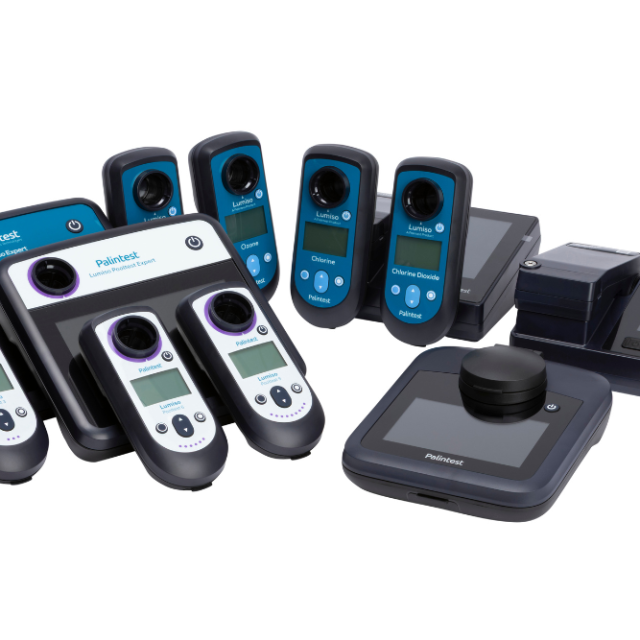
In practice, this means using validated methods and robust instrumentation capable of performing reliably in real-world conditions. For example, disinfectant monitoring is a routine but essential requirement across US water systems. Electrochemical technologies such as Kemio Disinfection from Palintest are designed to support consistent measurement of disinfectants without reliance on fragile glassware, helping operators maintain control of critical treatment parameters in both treatment works and distribution networks.
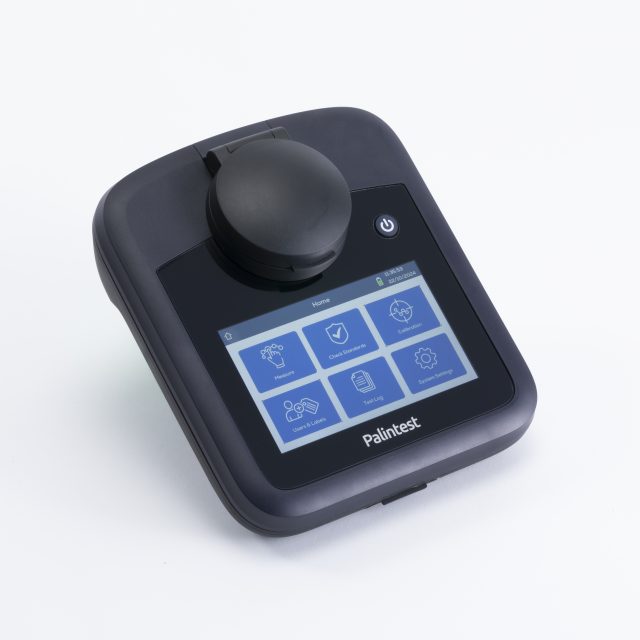
Similarly, turbidity remains a key indicator of filtration performance and treatment stability. Instruments such as Turbidity Expert from Palintest, used by utilities and contractors globally, illustrate how precise turbidity measurement underpins confidence that physical treatment processes are operating effectively.
While no single instrument defines water safety, the reliability of these measurements is fundamental to how water quality testing standards are implemented day to day.
Public Awareness and Trust in Water Safety
For most people, water testing happens out of sight. Results are reported through annual consumer confidence reports or regulatory submissions, often with little explanation of what the numbers mean in practice. When concerns arise — whether related to chemicals, infrastructure failures, or regulatory change — public confidence can quickly erode if testing processes are poorly understood.
Raising awareness of how water quality testing standards work helps bridge this gap. When communities understand that water is monitored continuously for a wide range of indicators, and that decisions are guided by defined thresholds rather than guesswork, trust is strengthened.
Clear communication around testing also helps avoid confusion between different types of risk. Environmental contamination, source water quality, treatment performance, and distribution system integrity each involve different parameters and testing approaches. Standards provide the structure that keeps these distinctions clear and actionable.
Why Standards Matter Regardless of Regulatory Debate
Regulatory frameworks may change over time, but the need for reliable water testing does not. Utilities must continue to demonstrate control of treatment processes, verify compliance with existing limits, and respond to emerging challenges such as climate-driven source water variability or aging infrastructure.
In this context, water quality testing standards act as a stabilizing force. They ensure continuity of monitoring, comparability of data over time, and accountability in decision-making. Even as new contaminants attract attention, routine chemical and physical testing remains essential to maintaining baseline water safety.
For water professionals, standards support operational confidence. For regulators, they provide enforceable benchmarks. And for the public, they offer reassurance that water quality is being actively and systematically managed.
Building a Culture of Evidence-Based Water Management
As awareness of water quality issues grows, so does the need for informed public discussion. Evidence-based water management depends on reliable data, transparent standards, and testing solutions that can be deployed consistently across diverse environments.
Investment in testing capability — from laboratory analysis to field-based monitoring — supports resilience by allowing utilities to detect changes early, respond effectively, and demonstrate compliance with confidence. It also reinforces the principle that water safety is not assumed, but continuously verified.
What This Means for Public Confidence Going Forward
Water is one of the most essential public services. Confidence in its safety depends less on headlines and more on the quiet, ongoing work of monitoring, testing, and analysis. By understanding the role of water quality testing standards, communities can better appreciate how water safety is protected — and why continued focus on reliable testing remains vital.
Regardless of regulatory direction or emerging concerns, the fundamentals remain the same: accurate measurement, consistent monitoring, and clear standards are the foundation of safe drinking water. Increasing public awareness of this reality supports trust, transparency, and informed engagement in conversations about water quality in the years ahead.
Frequently Asked Questions
What Are Water Quality Testing Standards in the United States?
Water quality testing standards define how drinking water is monitored, which parameters are measured, and how results are assessed to ensure water supplied to homes meets safety requirements.
Why Are Water Quality Testing Standards Important Beyond Individual Chemicals?
Water quality testing standards cover a wide range of chemical and operational indicators that verify treatment performance and system integrity, not just individual contaminants.
How Do Water Quality Testing Standards Support Public Confidence?
Clear water quality testing standards help demonstrate that drinking water safety decisions are based on consistent, verified data rather than assumptions or isolated findings.
What Role Does Routine Chemical Testing Play in Water Safety?
Routine chemical testing, including disinfectant residuals and turbidity, helps confirm that treatment processes are working effectively and protects against changes that could compromise water quality.
Why Is Ongoing Water Quality Testing Essential?
Ongoing water quality testing ensures that changes in source water, infrastructure, or treatment performance are detected early, supporting safe and reliable drinking water over time.