
The Unseen Risk in America’s Wells
Across the United States, more than 40 million people rely on private wells for their household water supply. Unlike public utilities, these wells are not regulated under the Safe Drinking Water Act, which means homeowners themselves are responsible for safety. Guidance from the EPA and CDC is clear: well water testing should be carried out at least once a year, and more often after flooding, repairs, or if there are noticeable changes in taste or odor. Yet many households rarely test at all.
The danger is that clear-looking water may still contain harmful contaminants. From bacteria like coliforms and E. coli, to nitrates, arsenic, and chemical residues, invisible risks can affect health without warning. That is why accessible, affordable, and easy-to-use testing is essential — and why innovation in this space is changing the way Americans think about their drinking water.
Why Well Water Testing is Essential
Public water systems are tested daily, with results carefully monitored. Private wells, however, fall outside those regulations. This creates a major gap in protection: millions of Americans drink water that may never have been professionally assessed.
Contaminants can enter wells from a variety of sources. Agricultural run-off can introduce nitrates and pesticides, septic tanks can leak bacteria into groundwater, and natural deposits may add heavy metals such as arsenic. Because these substances are usually invisible and tasteless, many families assume their water is safe when it may not be. Regular well water testing is the only way to identify issues before they affect health.
The Barriers: Why So Few Test Regularly
Despite the risks, most private well owners test infrequently. Surveys reveal three common barriers:
- Cost: Sending samples to laboratories can feel expensive for households already balancing budgets.
- Inconvenience: Shipping samples and waiting days for results is disruptive and discouraging.
- Awareness: Many homeowners don’t realize that wells are unregulated, or assume that clear water equals safe water.
These challenges have historically left well owners under-testing. But new technologies are starting to make well water testing more affordable and user-friendly, breaking down barriers that have existed for decades.
Palintest Solutions for Well Water Testing
Palintest has built its reputation on making water testing simple, accurate, and accessible — moving science from the lab to the field. For private well owners in the US, two product ranges stand out.
Lumiso: Smart, Simple Photometers
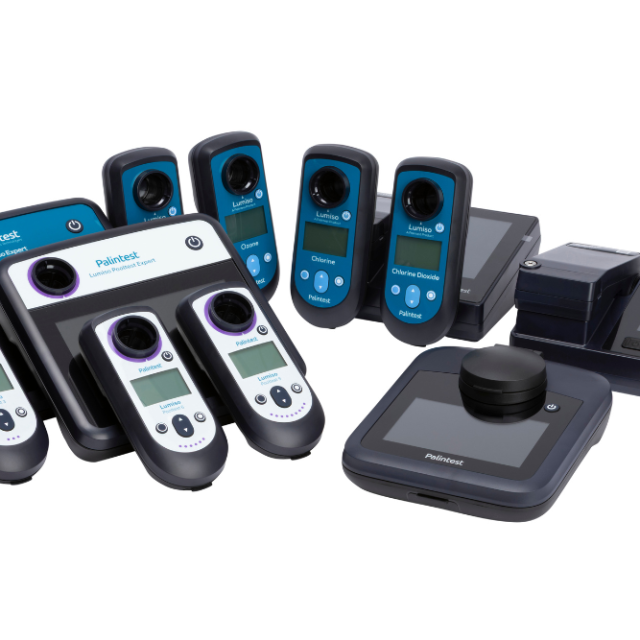
The Lumiso range combines accuracy with ease of use, making it an ideal tool for households. Using reagent tablets and a handheld photometer, Lumiso can test for common water parameters such as chlorine, nitrates, iron, manganese, and pH. Compact and lightweight, it delivers quick results without requiring specialist knowledge. For families who want the reassurance of regular checks, Lumiso makes well water testing practical and accessible.
Kemio Disinfection: Reliable Testing for Treated Wells
Many well owners disinfect their systems with chlorine or other treatments. Monitoring those levels accurately is essential — too little risks bacterial contamination, while too much can create taste, odor, or even health concerns. Kemio Disinfection uses digital electrochemical technology instead of photometry, meaning it can handle turbid or variable samples reliably. For households that manage their own disinfection, Kemio offers confidence, speed, and simple digital readouts.
Community Applications: Wagtech Portable Laboratories
While not typically aimed at individual households, Palintest’s Wagtech kits remain important in rural communities, schools, or small-scale water systems that serve multiple families. These portable labs can provide comprehensive microbiological and chemical testing on site, giving communities a reliable way to safeguard shared water supplies.
Together, these technologies demonstrate Palintest’s commitment to making well water testing more accessible at every scale — from individual homes to larger rural communities.
Benefits of Accessible Well Water Testing
When testing is easier and more affordable, more people do it. That is the real value of accessibility. For families, this means peace of mind — knowing the water used for drinking, cooking, and bathing is safe. For communities, it means healthier outcomes, fewer waterborne illnesses, and stronger trust in local water resources.
Regular well water testing also brings long-term benefits. By identifying problems early, households can take action before they escalate, avoiding costly system failures or health impacts. For example, detecting rising nitrate levels can prompt protective measures in agricultural areas, while identifying bacterial contamination can trigger timely disinfection.
There is also an educational dimension. Schools and community groups using technologies like Lumiso can help raise awareness about water safety, teaching young people that clean water is never something to take for granted.
Beyond Technology: Knowledge and Guidance
Testing tools are only effective if results are understood and acted upon. A number on a screen is meaningless without context. Palintest supports not just testing, but the training and guidance needed to interpret results. We help users understand what their measurements mean, when further laboratory confirmation may be required, and how to take corrective steps.
This combination of tools and knowledge is the essence of thought leadership in well water testing. It’s not just about selling equipment, but about helping households and communities develop the confidence to safeguard their own water.
The Future of Well Water Testing
The future is one of simplicity. Just as smoke alarms and carbon monoxide detectors are standard in homes, routine well water testing should become second nature. Costs will continue to fall, devices will become more intuitive, and digital platforms will make it easier to share and track results.
For households, this will mean a new level of peace of mind. For policymakers, it will provide a clearer picture of groundwater quality nationwide. And for Palintest, it represents an ongoing commitment: to ensure that no family is left in doubt about the water they drink every day.
Creating Trust in Well Water
At its core, well water testing is about trust. Trust that the water your family drinks is safe. Trust that invisible contaminants aren’t silently harming health. Trust that communities can take ownership of their most essential resource. With no water company to rely on, Americans need to have confidence in their own supply.
Palintest is proud to be part of this movement. With solutions like Lumiso and Kemio Disinfection — supported by training, guidance, and a legacy of innovation — we are making testing simpler, more affordable, and more accessible. Because every glass of water should be backed by confidence, not uncertainty.
Frequently Asked Questions
What is well water testing?
Well water testing is the process of checking private well supplies for contaminants such as bacteria, nitrates, metals, and chemicals to ensure they are safe to drink.
How often should I test my well water?
The CDC recommends testing at least once a year for bacteria and nitrates, and more often after flooding, repairs, or if there are changes in taste or smell.
Which Palintest products support well water testing?
Palintest offers Lumiso photometers for routine chemical checks, Kemio Disinfection for reliable monitoring of treated wells, and Wagtech kits for community-scale water testing.
Why is well water testing important?
Unlike public systems, private wells are not regulated. Testing is the only way to detect contaminants that are invisible to the eye, protecting household health.
How does accessible well water testing benefit families?
Affordable, easy-to-use testing gives families peace of mind, helps catch problems early, and empowers communities to take control of their water safety.
Sign up for our newsletter
Please add your details below to receive our monthly newsletter and latest offers.