

Understanding the Risks of Excess Chlorine Dioxide and Chlorite in Water Systems
Navigating the Complexities of Water Disinfection
Water treatment balances the need for effective disinfection with maintaining safety. Excessive chlorine dioxide and chlorite can lead to serious health and environmental issues. It’s crucial to understand and manage these risks.
Chlorine Dioxide in Drinking Water: Assessing the Health Risks
Chlorine dioxide is valued for its potency against pathogens in drinking water. However, when used excessively, it produces chlorite, a by-product with potential health hazards. High chlorite levels can lead to digestive disturbances and nervous system effects. There are also concerns about its long-term impact on red blood cells. Ensuring these levels are kept in check is essential, calling for regular and accurate water quality testing.
Chlorine Dioxide in Wastewater: The Environmental Impact
In wastewater treatment, chlorine dioxide’s role is crucial for sanitization. However, excessive chlorine dioxide and chlorite can severely disrupt aquatic ecosystems. These chemicals can be toxic to aquatic life, leading to a reduction in biodiversity and altering the ecological balance of water bodies. This not only affects the immediate aquatic environment but can also have far-reaching impacts on the broader ecosystem.
The Importance of Accurate Testing
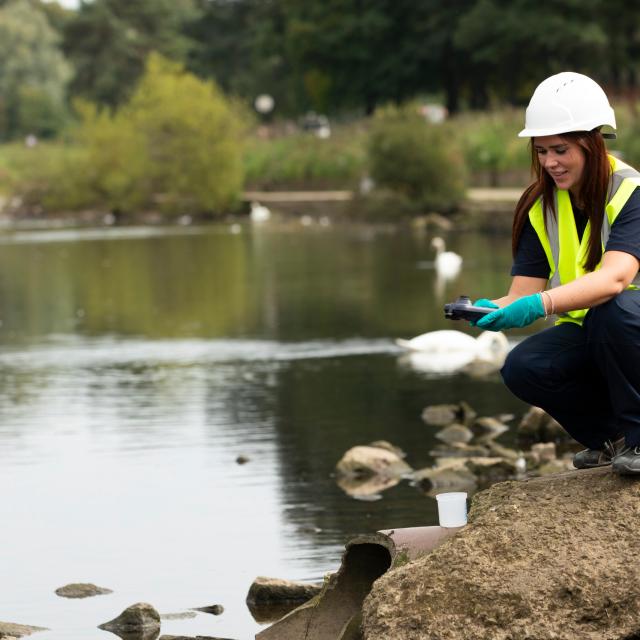
Advanced testing methods are vital to monitor and control chlorine dioxide and chlorite levels. Innovations in testing technology allow for more precise and rapid analysis, ensuring that water treatment facilities can swiftly respond to fluctuations in chemical concentrations. Regular monitoring helps in maintaining compliance with health and environmental regulations, playing a key role in safeguarding public health and ecological integrity.
Regulatory Standards and Compliance
To mitigate these risks, stringent regulatory standards are in place. These standards dictate acceptable levels of chlorine dioxide and chlorite in both drinking and wastewater. Compliance is essential for public health and environmental protection, necessitating state-of-the-art testing methods and treatment technologies. Companies like Palintest play a pivotal role in developing solutions that help in monitoring and maintaining these standards.
The Critical Need for Responsible Water Management
The management of chlorine dioxide and chlorite levels in water is a critical issue. It requires a balance between effective disinfection and safety. Ongoing research, technological advancements, and stringent regulatory compliance are key to ensuring the safety of our water systems.