Pollution Events Are Rarely Simple
Water pollution incidents do not arise from a single cause. They reflect the interaction of legacy infrastructure, catchment characteristics, rainfall intensity, population pressures and operational constraints. Many wastewater systems were designed decades ago, based on assumptions about climate and demand that are no longer fully representative of current conditions.
Combined Storm Overflows, for example, were engineered as protective mechanisms to prevent flooding during periods of heavy rainfall. As rainfall patterns become more intense and less predictable, these systems are activated more frequently, creating short-duration discharges that can be challenging to monitor using traditional sampling regimes.
From an environmental perspective, the impact of such events can vary significantly depending on location, duration and receiving water conditions. Understanding those nuances requires more than periodic testing — it requires data that reflects real-world variability.
Monitoring As A Strategic Enabler
Historically, much water quality monitoring has been compliance-focused: sampling at fixed points, at defined intervals, against established thresholds. While this remains a vital part of environmental protection, it does not always capture transient events, upstream influences or cumulative effects across a catchment.
As a result, monitoring is increasingly viewed not just as a regulatory requirement, but as a strategic enabler. Effective programmes typically combine:
- Responsive field testing during weather-driven or operational events
- Multi-parameter analysis to understand how chemical and physical indicators interact
- Consistent methodologies that allow results to be compared across sites and time
Together, these approaches help transform raw measurements into insight — supporting clearer interpretation and better-informed decisions.
From Measurement To Meaningful Insight
Data alone does not create understanding. For monitoring to be useful, results must be accurate, repeatable and communicated in a way that supports action. This applies equally to operational teams managing assets, regulators assessing performance, and environmental scientists studying long-term trends.
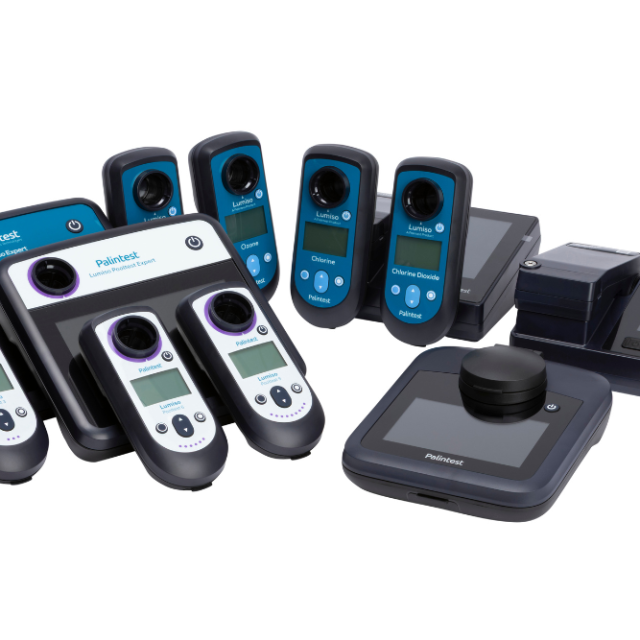
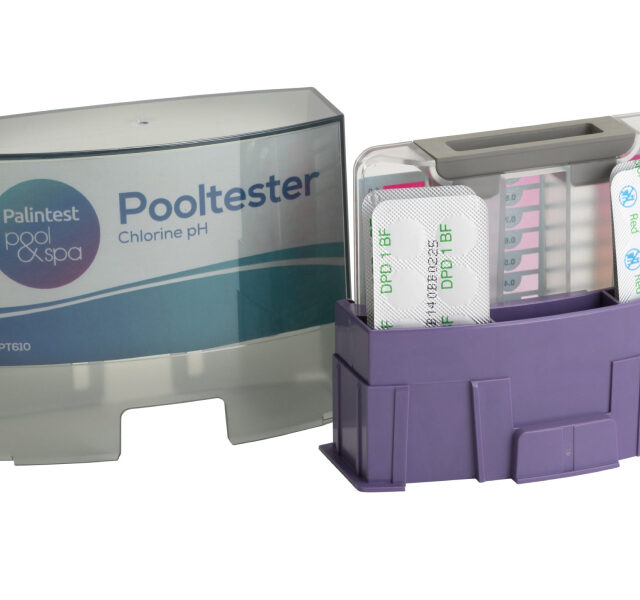
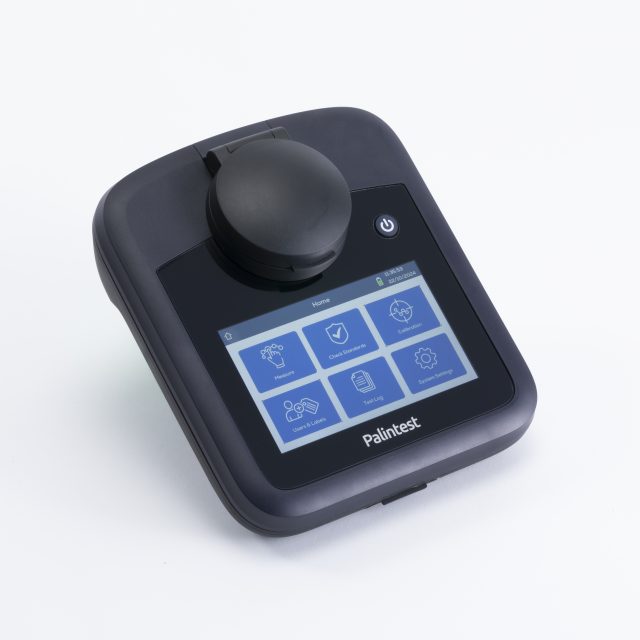
Advances in water testing technology have made it easier to generate high-quality data outside the laboratory environment. Portable photometers, digital turbidity meters and robust field kits now allow practitioners to assess key parameters quickly, even in challenging conditions.
For example, tools such as the Lumiso® Expert photometer from Palintest support consistent field analysis across a wide range of chemical parameters relevant to drinking water, wastewater and environmental monitoring. When combined with clear protocols and training, such tools help ensure data integrity while improving responsiveness.
Similarly, turbidity and clarity measurement play an important role in understanding sediment mobilisation, runoff impacts and effluent behaviour following rainfall. These indicators are often early signals of broader water quality change, making timely measurement particularly valuable.
Supporting Evidence-Led Decision Making
Reliable monitoring underpins many aspects of water sector decision-making, from prioritising infrastructure investment to evaluating the effectiveness of operational changes. It also supports clearer communication between stakeholders by providing a shared evidence base.
When data is consistent and transparent, it becomes easier to:
- Identify emerging risks before they escalate
- Assess the effectiveness of mitigation measures
- Compare performance across sites or regions
- Communicate outcomes in a way that builds trust
In this sense, monitoring does not sit at the periphery of environmental management — it forms the foundation on which credible strategies are built.
Looking Ahead
As the UK continues to examine how best to protect and improve its water environment, there is broad recognition that long-term progress depends on informed decision-making. Policy, regulation and investment all rely on an accurate understanding of environmental conditions, and that understanding begins with measurement.
Better monitoring will not resolve every challenge facing the water sector. However, it creates the conditions for more targeted action, clearer accountability and constructive dialogue across the system.
In an environment shaped by complexity and change, high-quality water data is not simply a technical requirement — it is an essential tool for understanding, managing and improving outcomes over time.
Frequently Asked Questions
Why is water quality monitoring important for understanding pollution?
Monitoring provides the data needed to identify when and where pollution occurs, how conditions change over time, and which factors may be contributing, enabling informed and proportionate responses.
What are the limitations of traditional water sampling?
Fixed-interval sampling may miss short-duration or weather-driven events, making it harder to fully understand variability and peak impacts within complex water systems.
How does field testing support better decision-making?
Field testing allows rapid measurement during operational or environmental events, providing timely data that supports quicker interpretation and response.
Do monitoring technologies replace regulation?
No. Monitoring supports regulation by supplying accurate, consistent data that regulators, operators and other stakeholders can use to assess performance and manage risk effectively.