
The Risks of Elevated Nitrate Levels in Humanitarian Water
Elevated nitrate levels in humanitarian water pose serious health risks and operational challenges. In emergency situations, where water supply can be compromised, it’s crucial to monitor and control these levels to ensure public safety.
Health Implications of High Nitrate Concentrations
The primary concern with elevated nitrates is their impact on human health, particularly for infants. High nitrate levels can cause methemoglobinemia, or ‘blue baby syndrome’, a condition that reduces the blood’s ability to carry oxygen. This can be fatal in severe cases. Additionally, long-term exposure to high nitrates is linked to increased risks of certain cancers and other health issues in adults.
Challenges in Humanitarian Settings
In humanitarian crises, water sources often lack regular monitoring, increasing the risk of nitrate contamination. Factors such as agricultural runoff, improper waste disposal, and lack of wastewater treatment can elevate nitrate levels in these water sources. Ensuring safe drinking water becomes a significant challenge, especially in remote or resource-limited areas.
Environmental Impact
Apart from health risks, high nitrate levels can also have environmental consequences. They can contribute to eutrophication, a process that depletes oxygen in water bodies, affecting aquatic life. This environmental impact can disrupt local ecosystems, further complicating the challenges in humanitarian situations.
Monitoring and Mitigation Strategies
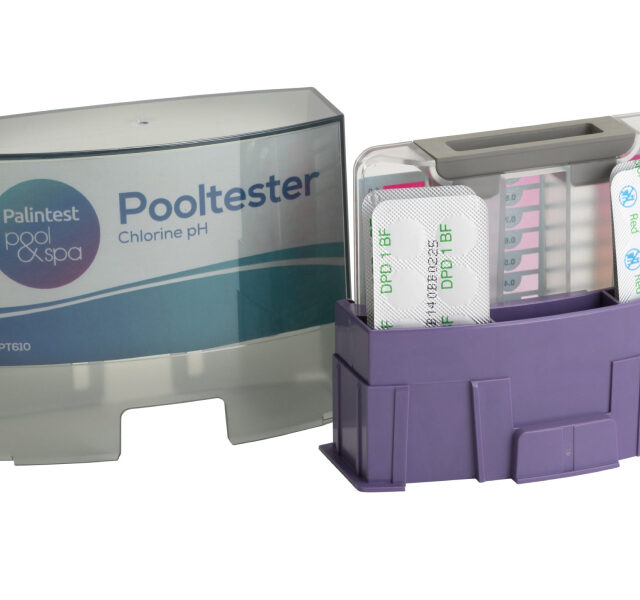
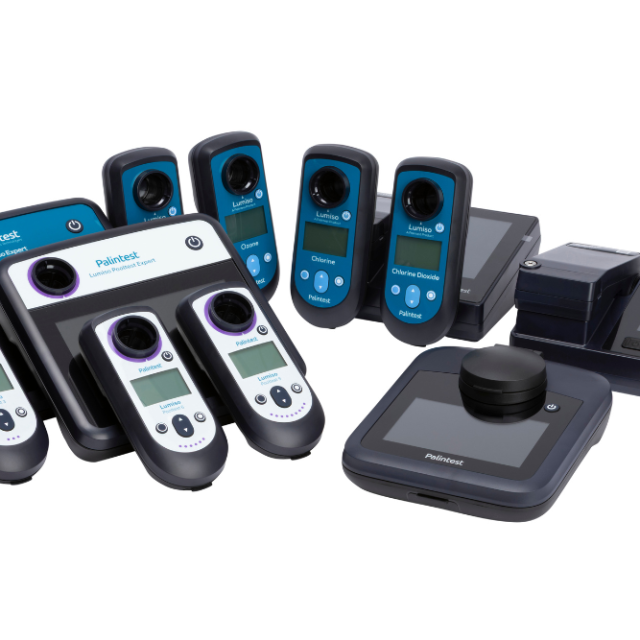
Regular testing for nitrates is essential in humanitarian contexts. Identifying high nitrate levels early allows for timely interventions, such as sourcing alternative water supplies or implementing water treatment solutions. Educating communities about the risks and prevention of nitrate contamination is also vital.
The Importance of Water Quality Management
Proper water quality management in humanitarian situations goes beyond immediate health concerns. It’s about ensuring sustainable, safe water supplies for affected populations. This requires a concerted effort from humanitarian organizations, governments, and communities to implement effective water testing, treatment, and education programs.