
The Need to Test Nitrate Levels in Humanitarian Water
In humanitarian emergencies, assessing water quality is critical for safeguarding public health. Among the various contaminants, nitrates in water are a significant concern due to their potential health risks and implications for water safety.
Health Hazards from Elevated Nitrate Levels
Nitrates in water, typically originating from agricultural runoff, sewage, and industrial waste, can have severe health impacts. The most acute risk is methemoglobinemia, or ‘blue baby syndrome’, affecting infants. This condition disrupts the oxygen-carrying capacity of blood, leading to serious health complications. Adults are not immune to the dangers of nitrates; long-term exposure is linked to increased risks of gastrointestinal cancers and other chronic health problems.
Nitrates as Indicators of Water Quality
Elevated nitrate levels often reflect broader issues with water quality, signaling contamination from various sources. In humanitarian settings, where water infrastructure is often compromised, monitoring nitrate levels is crucial for assessing the overall safety of water sources.
Testing Challenges in Crisis Situations
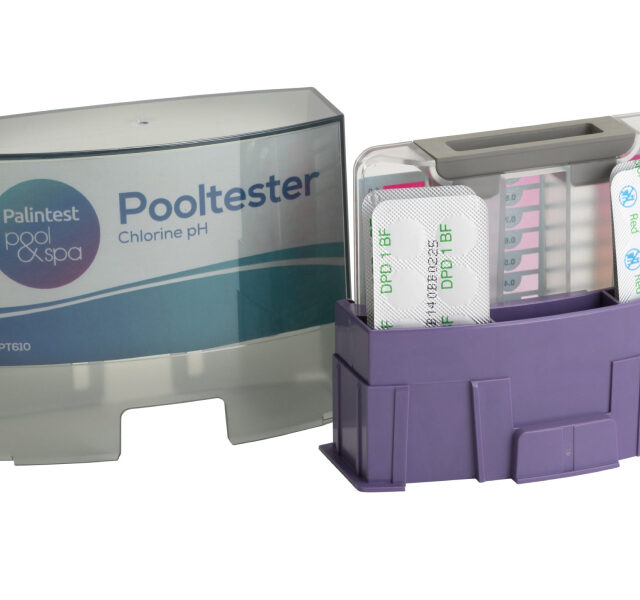
Testing for nitrates in humanitarian contexts presents unique challenges. Field test kits offer immediate results and are useful for on-site assessment, though they might lack the precision of laboratory analyses. Despite these limitations, they are crucial in emergency settings for quick evaluations of water safety.
Regular Monitoring for Public Health
Regular nitrate testing is vital in humanitarian scenarios. It enables the timely identification of contaminated water sources and guides the implementation of appropriate remedial actions, such as sourcing alternative water supplies or applying water treatment solutions.
Educational and Preventive Measures
Educating affected communities about the risks associated with high nitrate levels is also essential. This includes understanding the sources of nitrates, potential health effects, and measures to mitigate exposure.
Imperative to Public Health
Regular testing for nitrate levels in humanitarian water is imperative for maintaining public health. It helps in identifying potential health hazards and guides necessary interventions to ensure the provision of safe drinking water in crisis-affected areas.