
The Expanding Importance of Recreational Water
Recreational water facilities — from swimming pools and spas to water parks, hotel resorts, and therapeutic baths — are enjoyed by millions worldwide every day. These spaces promote wellbeing, encourage exercise, and generate significant economic activity through tourism and leisure industries.
However, ensuring safe recreational water is not a given. Pathogens such as Cryptosporidium, Giardia, and E. coli can spread quickly in poorly maintained environments, while chemical imbalances can create additional health and safety risks. Outbreaks not only endanger public health but also cause reputational and financial harm for operators and governments alike.
This is why regulatory frameworks, industry bodies, and robust testing regimes form the backbone of recreational water safety worldwide.
A Patchwork of Global Regulations
Unlike drinking water, which is tightly regulated in most jurisdictions, recreational water operates under a diverse and often fragmented set of rules. Standards vary between countries — and sometimes within them.
- United States: Governed by state and local health codes, with the NSF/ANSI 50 standards widely adopted as a benchmark for equipment.
- Europe: The European Union Bathing Water Directive sets legal parameters for natural recreational waters, while pools and spas often follow national standards influenced by DIN (Germany) or BSI or PWTAG (UK).
- Asia-Pacific: Regulations are highly variable, ranging from strict frameworks in countries like Australia and Singapore to developing codes elsewhere.
- Middle East and Africa: Rapidly growing leisure industries have driven increased adoption of international standards, particularly in tourist hubs such as Dubai.
The lack of harmonisation creates challenges for multinational operators and suppliers. Yet it also underscores the vital role of industry bodies and certification schemes in providing consistency and trust.
Industry Bodies and Global Guidance
Several industry bodies underpin recreational water safety on a global scale. NSF International, founded in 1944 as the National Sanitation Foundation, is a key reference point with its NSF/ANSI 50 standard. The World Health Organisation (WHO) publishes Guidelines for Safe Recreational Water Environments, often used as a baseline in regions without detailed legislation. Meanwhile, the International Organisation for Standardisation (ISO) sets technical requirements for equipment, ensuring compatibility and safety across markets. Regional advisory groups, such as the Pool Water Treatment Advisory Group (PWTAG) in the UK, provide tailored local expertise.
Together, these organisations create a framework of science-based guidance that governments and operators can adapt to their own contexts.
The Universal Science of Water Testing
Despite regulatory differences, the scientific principles of water safety remain universal. Disinfectant control ensures pathogens are neutralised, pH balance protects both bathers and infrastructure, and water clarity maintains both safety and confidence. Beyond these fundamentals, more advanced testing for cyanuric acid, secondary disinfectants, and other troubleshooting parameters is becoming standard.
The challenge lies in ensuring accuracy, repeatability, and timely reporting. A single test done incorrectly can have consequences, especially in facilities serving thousands of visitors per day.
Technology Driving Global Standards
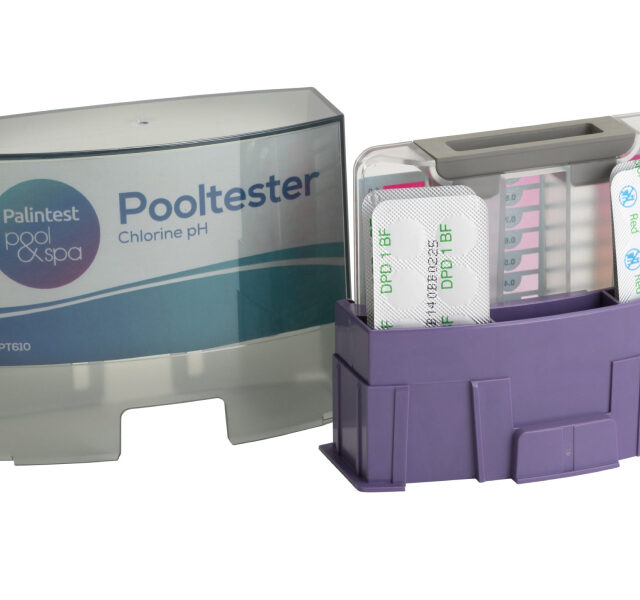
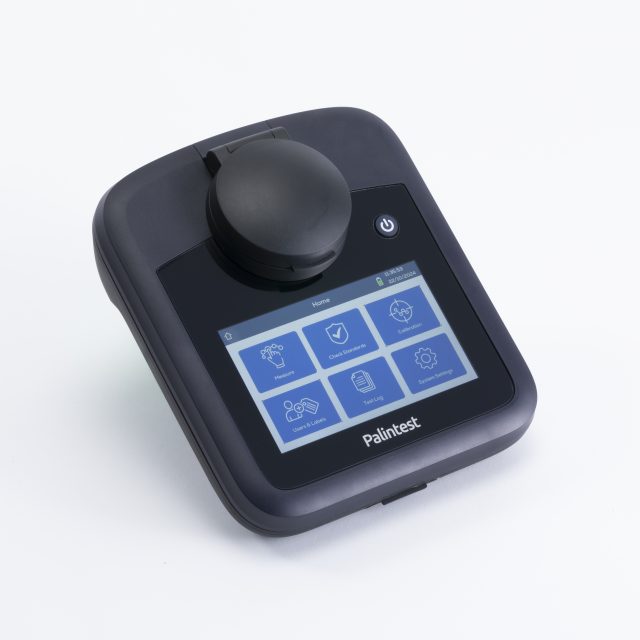
Traditional manual testing, such as colour-matching kits, still exists but has clear limitations. Operator subjectivity, inconsistent results, and lack of traceability hinder confidence. The global trend is toward digital photometry and connected testing platforms that provide precision, eliminate ambiguity, and store results for compliance reporting.
In many markets, digital testing is also paving the way for smart integration with automated dosing systems. This creates real-time feedback loops, allowing operators to prevent incidents before they occur rather than reacting after problems arise.
Where Palintest Supports the Global Market
Palintest has long been at the forefront of recreational water testing, with solutions trusted worldwide to meet both international and local standards:
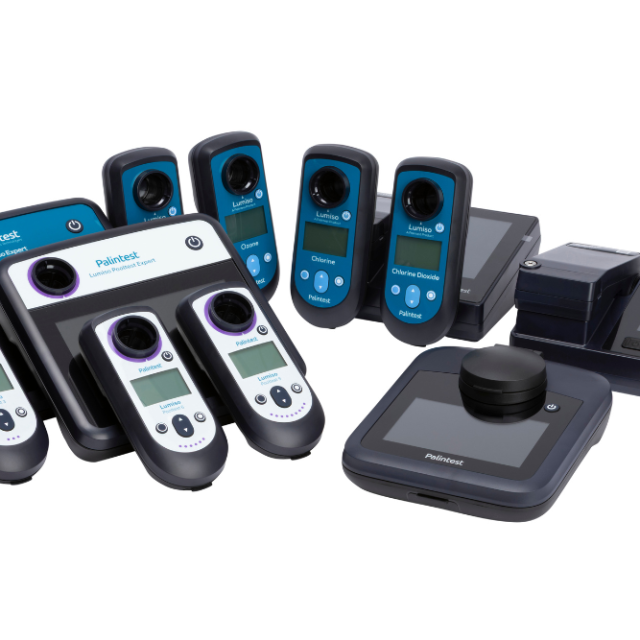
- Lumiso Pooltest Photometers – Delivering quick, accurate results across all core recreational water parameters, ensuring operators can test with confidence anywhere.
- Connect – Providing digital data capture and centralised reporting, helping organisations demonstrate compliance across multiple facilities and regions.
By combining innovative technology with deep regulatory understanding, Palintest helps operators move beyond basic compliance to achieve excellence.
The Future of Recreational Water Regulation
Looking ahead, three global trends are becoming clear. First, greater harmonisation of standards is likely as tourism and international operators push for consistency across borders. Second, regulators will pay increasing attention to emerging risks such as climate change impacts and resistant pathogens. Finally, digital transformation will become mainstream, with testing data integrated directly into smart water management systems.
For operators, this means proactive investment in advanced testing will not only ensure compliance but also build reputation and trust in competitive leisure and tourism markets.
Safeguarding the Global Recreational Water Market
The global recreational water market is diverse and rapidly expanding, but its challenges are shared: protecting bathers, building trust, and delivering safe, compliant facilities. Regulations and industry bodies provide the framework, while testing technologies bring these standards to life.
Palintest is proud to support operators worldwide in this mission, delivering clarity, compliance, and confidence in every test. Safe recreational water is not just a regulatory requirement — it is a public health responsibility and an opportunity to build stronger, more trusted facilities for the future.
Frequently Asked Questions
What are the main regulations governing the global recreational water market?
Regulations vary by region, with NSF/ANSI standards in the US, the EU Bathing Water Directive in Europe, and national codes across Asia-Pacific and the Middle East, often guided by WHO recommendations.
Which industry bodies shape recreational water safety worldwide?
Key organisations include NSF International, the World Health Organization (WHO), and the International Organization for Standardization (ISO), alongside regional groups like PWTAG in the UK.
Why is water testing so important in the global recreational water market?
Accurate testing protects bathers from pathogens, ensures chemical balance, and provides compliance data that builds trust across different regulatory environments.
How is technology improving recreational water testing worldwide?
Digital photometers and connected platforms are replacing manual kits, offering more precise results, data capture, and integration with automated dosing systems to improve efficiency.
How does Palintest support operators in the global recreational water market?
Palintest provides advanced solutions such as Lumiso Pooltest photometers and Connect, helping operators worldwide achieve accurate testing, digital compliance, and safer facilities.
Sign up for our newsletter
Please add your details below to receive our monthly newsletter and latest offers.