The Importance of Water Quality Testing Standards
At their core, water quality testing standards are the benchmarks and practices that determine when water is considered safe to drink and when it is not. These standards guide how samples are taken, how frequently tests are done, what contaminants are measured, and how results are interpreted against regulatory criteria. They are foundational to public health protection: when contaminants or treatment failures occur, testing data is the early warning system that detects those deviations before they become widespread health hazards.
In the UK, drinking water standards are set within a regulatory framework designed to protect consumers and enforce consistent levels of safety. These standards are backed by regular sampling and laboratory analysis carried out by water companies under the oversight of the Drinking Water Inspectorate (DWI) and other regulatory bodies. When the water at treatment works or in distribution networks fails to meet those standards, statutory measures — such as boil-water notices — are triggered to protect public health.
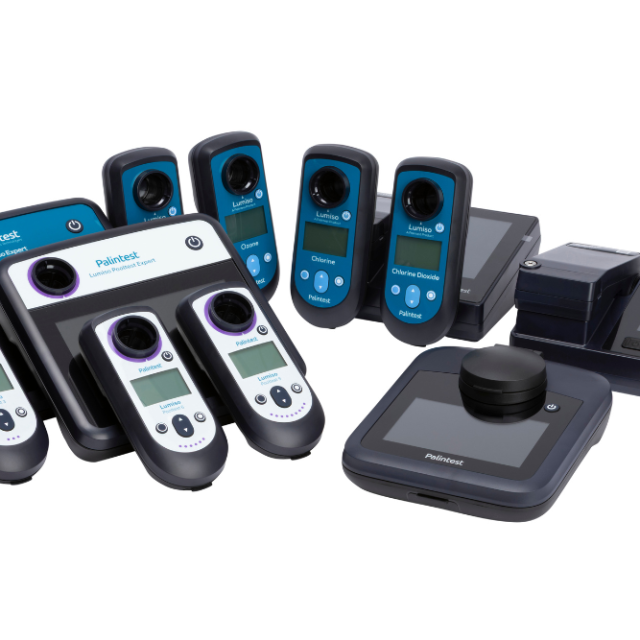
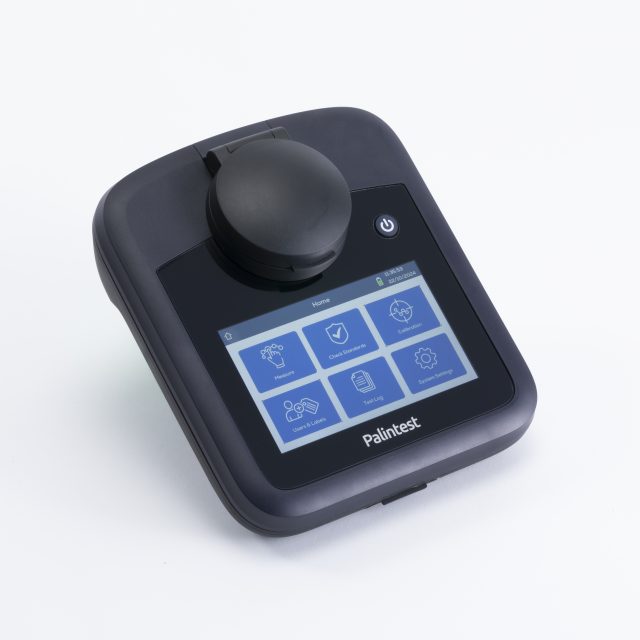
Behind this regulatory framework sits a practical reality: standards depend on the quality and consistency of the data being generated. This includes routine parameters such as turbidity and disinfectant residuals, which are often used as indicators of treatment performance. Instruments such as Turbidity Expert from Palintest, used by utilities and contractors to monitor filtration effectiveness, illustrate how standardised, repeatable measurements underpin confidence in compliance and operational control.
Lessons from Tunbridge Wells: Awareness Beyond Headlines
The Tunbridge Wells disruption began in late November 2025 when a treatment plant was taken offline due to issues with the chemical process used to purify drinking water. In the days that followed, residents faced low or no water pressure, emergency bottled-water distribution points were established, and, eventually, a widespread boil-water notice was issued that affected households, schools, care facilities, and businesses alike.
This event underscores how quickly a treatment works problem can cascade into a public health and social crisis when combined with limited redundancy in a supply network. But beyond infrastructure failure, the episode also illustrates the profound role that testing — and the expectations around it — plays in shaping outcomes:
- Detection and Response: Regular testing is meant to identify deviations in water quality early. In this case, the sequence of events raised questions among stakeholders about whether monitoring and detection mechanisms provided the most timely and actionable insights. The DWI’s review noted that earlier signs of plant performance issues had been observed but opportunities to act may have been missed or insufficiently acted upon.
- Public Communication of Risk: When a boil-water notice is issued, it is a direct consequence of testing data indicating that water does not currently meet safety thresholds — and therefore cannot be safely consumed without precaution. Such notices hinge entirely on confidence in the underlying testing and analytical processes. That makes it vital for the public to understand what testing tells us, what it does not, and why such standards exist.
- Trust and Expectations: Water is one of the most fundamental utilities people rely on every day. When access to safe water is interrupted — even temporarily — confidence can erode quickly. Strong water quality testing standards help build and sustain trust by providing transparent, objective evidence that public health safeguards are informed by verified data rather than estimation or assumption.
These aspects show that testing standards are not abstract technicalities; they are essential to how a community experiences water safety and continuity.
Beyond Compliance: The Value of Robust Testing Regimes
Public discussion around water safety often focuses on compliance — whether minimum legal requirements are being met. However, awareness and demand for robust water quality testing standards go beyond compliance alone. They reflect expectations that:
- Testing is sufficiently frequent and geographically distributed to reflect real-world conditions. In complex supply networks, infrequent sampling may miss emerging issues.
- Analytical methods keep pace with evolving risks. This includes not only emerging contaminants, but also the practical challenges of testing in operational environments. Technologies such as Kemio Disinfection from Palintest, which enable electrochemical measurement of disinfectants without laboratory infrastructure, demonstrate how testing approaches can adapt to real-world conditions while still aligning with recognised standards.
- Data is accessible and transparent to regulators, operators, and the public. Faster access to reliable data shortens the time between detection and action, which is critical during incidents.
When communities and decision-makers understand the difference between baseline compliance and proactive monitoring, they are better positioned to support investment in the systems that underpin resilient water management.
The Public and Regulatory Expectation Intersection
The 2025 Tunbridge Wells crisis also brought attention to how regulators, utilities, and policymakers interact with public expectations around water quality testing standards. Parliamentary scrutiny and formal inquiries that followed the disruption reflect a broader shift in public awareness: citizens are asking more questions about how water companies monitor their supplies and what assurances exist that testing is both effective and meaningful.
Regulators play a central role in setting expectations and in enforcing compliance, but there is also an important role for broader civil society in shaping what is considered appropriate, rigorous, and future-proof testing. Public dialogue about testing standards helps ensure that regulations keep pace with scientific advances and public health expectations — and that standards remain relevant in a world facing climate change, ageing infrastructure, and evolving contamination threats.
Building Shared Awareness: What It Means for Communities
Raising awareness around water quality testing standards empowers communities in several important ways:
- Informed citizens are more capable of interpreting water safety notices, understanding their purpose, and making personal decisions when safety advisories are issued.
- Stakeholder engagement increases when communities understand what testing reveals about water conditions and when they can meaningfully engage with water providers and regulators.
- Advocacy for improvement becomes grounded not in blame but in understanding — fostering constructive dialogue around investments in testing technologies, infrastructure resilience, and transparent reporting.
The Critical Role of Water Quality Testing Standards
Water is indispensable. The systems that protect its quality deserve scrutiny, investment, and continual evolution. Recent events in Kent and Tunbridge Wells have highlighted not only the immediate impacts of water supply disruptions but also the vital role of water quality testing standards in safeguarding public health and community confidence.
While complex technical frameworks govern how water is tested and analysed, these standards have profound real-life implications. A broader public awareness of what testing standards represent — and why they matter — helps communities participate in conversations about water safety, resilience, and future improvements.
Public demand for high standards of water quality testing fosters a culture where safe, reliable drinking water is not just assumed, but assured. And in a world where new challenges to water systems continue to emerge, that shared awareness becomes ever more essential.