Water Quality Testing Standards Beyond the Tap
When water quality is discussed publicly, the focus is often on drinking water — what comes out of the tap, and whether it meets safety requirements. However, water quality testing standards also play a vital role in monitoring rivers, streams, and other freshwater environments, particularly where industrial legacy, land use, or infrastructure may influence conditions.
Environmental testing standards determine:
- Which substances are monitored and at what concentrations
- How samples are collected and analysed
- How results are interpreted against ecological thresholds
- When further investigation or regulatory action is warranted
In Corby, citizen scientists tested for 33 elements, including metals and metalloids, combining field-based methods with laboratory analysis. The results provided a snapshot of freshwater metal pollution across the town, complementing existing knowledge about historic waste sites while underscoring the need for ongoing monitoring.
This illustrates a key principle: testing standards provide context. Detecting the presence of a substance is only meaningful when results are assessed against recognised benchmarks that indicate potential ecological impact.
The Role of Citizen Science in Environmental Monitoring
The Corby testing programme demonstrates how citizen science can contribute valuable data to environmental monitoring efforts. By involving trained volunteers, initiatives like this can expand the geographic reach of sampling, raise public awareness, and support evidence-led discussion about local environmental conditions.
Importantly, the value of citizen science depends on alignment with recognised water quality testing standards. Training, method selection, and analytical oversight ensure that results are credible, repeatable, and suitable for interpretation by regulators and environmental specialists.
The Environment Agency welcomed the work carried out in Corby, noting that citizen science can help build the evidence base needed to prioritise further action. This reflects a broader trend toward collaborative monitoring, where community-led initiatives complement formal regulatory programmes rather than replacing them.
From Detection to Understanding
One of the challenges in environmental water testing is bridging the gap between detection and understanding. The Corby report identified metals at levels above predicted no-effect concentrations for aquatic life, but did not assess risks to human health — a distinction that is essential for responsible communication.
Here, water quality testing standards play a critical role in preventing misinterpretation. Clear thresholds, definitions, and scope help ensure that results are used appropriately, guiding next steps such as targeted investigations, seasonal repeat testing, or more detailed risk assessments.
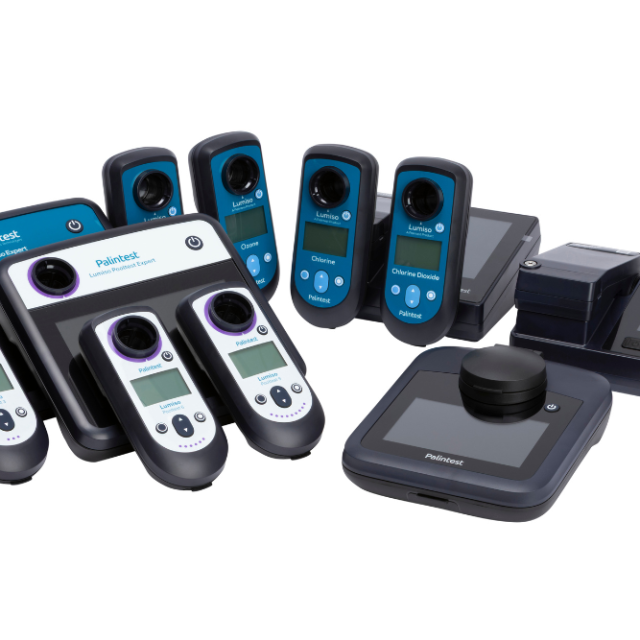
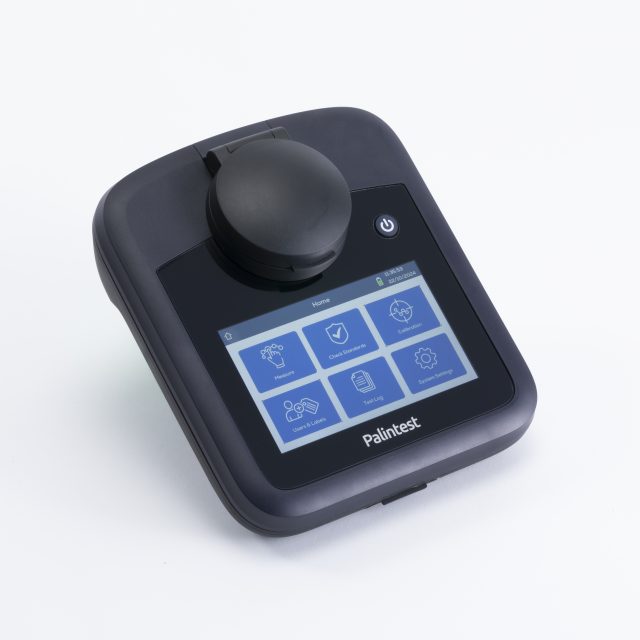
Testing tools used in both professional and community settings must therefore balance accessibility with reliability. Field-based testing kits allow rapid screening and broad coverage, while laboratory analysis provides confirmation and deeper insight. In operational and regulatory contexts, parameters such as turbidity and disinfectant residuals are often monitored using dedicated instrumentation — for example, Turbidity Expert from Palintest, which is widely used to assess filtration performance and water clarity as part of wider monitoring regimes. While not directly linked to metal detection, such measurements form part of the broader testing ecosystem that supports consistent standards across water environments.
Why Standards Matter in Communities Shaped by Legacy Pollution
Corby’s history of steelworks dismantling and associated waste disposal has left a long shadow. For affected families, environmental testing is not an abstract exercise but part of an ongoing effort to understand legacy impacts and seek reassurance that conditions are being monitored responsibly.
In such contexts, water quality testing standards provide a shared reference point. They allow communities, councils, charities, and regulators to speak a common language when discussing findings, risks, and priorities. Without agreed standards, testing risks becoming fragmented, subjective, or difficult to interpret.
Repeat testing, carried out under consistent conditions and aligned to recognised benchmarks, is particularly important in legacy pollution scenarios. Variations in weather, flow conditions, and seasonal factors can influence results, making longitudinal data essential for building an accurate picture over time.
Beyond Compliance: Transparency and Trust
As with drinking water, environmental water testing is closely linked to public trust. Communities want to know not only that testing is happening, but that it is meaningful, transparent, and acted upon.
Robust water quality testing standards support this by:
- Ensuring data is comparable over time and across locations
- Providing clarity on what results do — and do not — indicate
- Supporting constructive dialogue between communities and authorities
- Helping prioritise resources for further investigation or remediation
Advances in testing technology have also improved how data is captured and shared. In operational settings, tools such as Kemio Disinfection from Palintest demonstrate how electrochemical measurement can support consistent disinfectant testing without complex laboratory infrastructure. While designed for disinfection monitoring, this reflects a broader shift toward practical, reliable testing solutions that align with defined standards and real-world conditions.
Building Informed Public Engagement
The Corby story highlights the importance of informed engagement. Testing alone does not resolve environmental concerns, but it provides a foundation for evidence-led discussion and decision-making.
When communities understand how water quality testing standards work, they are better equipped to:
- Interpret findings responsibly
- Engage with regulators and councils constructively
- Advocate for appropriate next steps without unnecessary alarm
- Support long-term monitoring strategies
This shared understanding helps ensure that environmental testing contributes to clarity rather than confusion.
Why Testing Standards Matter in Practice
The community-led water testing in Corby offers a powerful example of how local engagement, supported by scientific rigour, can contribute to environmental understanding. It also reinforces the central role that water quality testing standards play in turning raw data into meaningful insight.
In areas shaped by historic industrial activity, testing standards provide continuity, context, and credibility. They help ensure that monitoring efforts — whether led by regulators, charities, or citizen scientists — contribute to a shared evidence base that supports informed action.
As public interest in water quality continues to grow, sustained attention to testing standards will remain essential. Not just as a headline issue, but as the foundation that allows communities, authorities, and experts to work together with confidence, transparency, and trust.
Frequently Asked Questions
What Are Water Quality Testing Standards in Environmental Monitoring?
Water quality testing standards define how environmental water samples are collected, analysed, and assessed against ecological benchmarks to understand potential risks to freshwater habitats.
How Does Citizen Science Support Water Quality Testing Standards?
Citizen science supports water quality testing standards by expanding monitoring coverage while following defined methods and oversight to ensure results are credible and comparable.
Do Water Quality Testing Standards Assess Human Health Risk?
Environmental water quality testing standards typically focus on ecological impact rather than direct human health risk, with further investigation required to assess potential effects on people.
Why Is Repeat Testing Important for Water Quality Testing Standards?
Repeat testing helps account for seasonal and environmental variation, ensuring water quality testing standards are applied consistently and trends can be understood over time.
How Do Water Quality Testing Standards Build Public Trust?
Clear and transparent water quality testing standards help communities understand results, support regulatory decision-making, and build confidence that monitoring is evidence-based.