Understanding Secondary Disinfection and Monochloramine Chemistry
Water treatment occurs in two stages. Primary disinfection at the treatment plant kills pathogens using chlorine, ozone, ultraviolet light, or chlorine dioxide. Secondary disinfection maintains protective residuals as water travels through miles of pipes to reach consumers—preventing bacterial regrowth in the distribution system itself.
Monochloramine (NH₂Cl) forms when utilities add ammonia to chlorinated water. Whilst monochloramine proves 200 times less effective than chlorine at killing bacteria initially, it offers critical advantages for distribution: it persists longer in pipes, penetrates biofilms more effectively, creates fewer regulated disinfection byproducts like trihalomethanes, and produces less objectionable taste and odour. These benefits explain why utilities serving over 68 million Americans have adopted monochloramine for secondary disinfection since the 1930s.
The chemistry proves deceptively simple: chlorine plus ammonia yields monochloramine. However, the ratio determines everything. Target chlorine-to-ammonia weight ratios of 4:1 to 5:1 produce predominantly monochloramine. Ratios exceeding 5:1 create dichloramine and trichloramine—unstable compounds causing swimming pool odours. Insufficient chlorine allows free ammonia to persist, providing nutrients for nitrifying bacteria that can destroy disinfectant residuals.
The Operational Challenge: What Happens When Balance Fails
Distribution systems function as complex chemical reactors where conditions change constantly. Water age varies from hours at the treatment plant to days at distant extremities. Temperature fluctuations alter chemical reaction rates. pH shifts affect species distribution. Residual disinfectant depletes through reactions with organic material and pipe walls. These variables mean that perfect dosing at the plant cannot guarantee appropriate residuals throughout the system.
When free ammonia persists above 0.1 mg/L, nitrifying bacteria find nutrients to proliferate. These organisms consume ammonia and deplete dissolved oxygen, creating conditions where
disinfectant residuals collapse. Nitrification events manifest as customer taste and odour complaints, discoloured water, and absent chloramine residuals—requiring expensive flushing programmes and temporary conversion back to free chlorine.
Excess chlorine creates different problems. Dichloramine and trichloramine produce intense chlorinous odours that trigger consumer complaints at concentrations above 0.02 mg/L and 0.80 mg/L respectively. Some utilities face hundreds of taste and odour calls monthly when ratios drift outside optimal ranges. Regular monochloramine ammonia testing across distribution sampling points identifies emerging problems before customer complaints force reactive responses.
Regulatory Framework and Monitoring Requirements
EPA regulations under the National Primary Drinking Water Standards establish a Maximum Residual Disinfectant Level of 4.0 mg/L for monochloramine measured as total chlorine. However, utilities typically target 1.5-2.5 mg/L residuals to balance microbial protection against disinfection byproduct formation and taste concerns. The Stage 2 Disinfectants and Disinfection Byproducts Rule requires utilities to monitor disinfectant residuals entering distribution and at representative points throughout the system.
Effective monochloramine ammonia testing programmes extend beyond minimum regulatory requirements. Leading utilities monitor both monochloramine residuals and free ammonia concentrations at strategic locations: immediately post-dosing to verify ratio control, at storage tanks where water age increases, and at distribution extremities where residuals typically reach minimum levels. This spatial monitoring reveals where process adjustments or infrastructure interventions can prevent problems.
How Palintest’s Kemio Platform Transforms Ratio Control
Traditional monochloramine ammonia testing methods create operational friction that discourages frequent monitoring. Colorimetric indophenol analysis for free ammonia demands 10-20 minute reaction times and careful temperature control. DPD methods for monochloramine require multiple reagent additions and precise timing. Laboratory analysis introduces delays measuring days, not hours—far too slow for operational troubleshooting when distribution residuals begin declining.
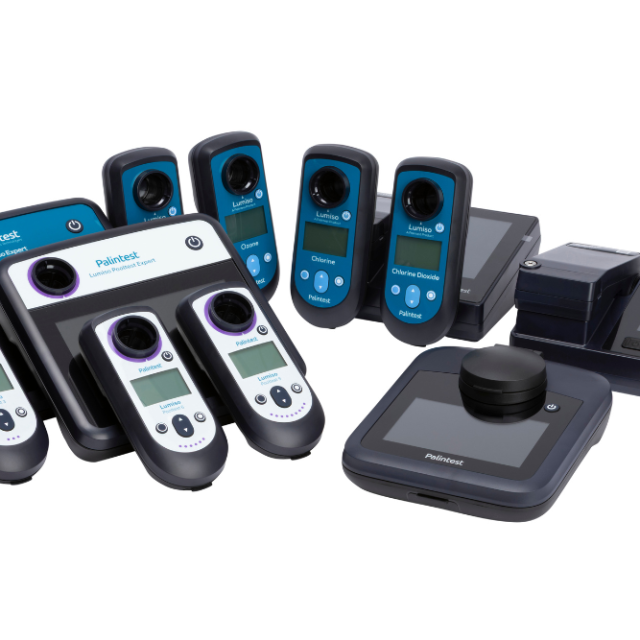
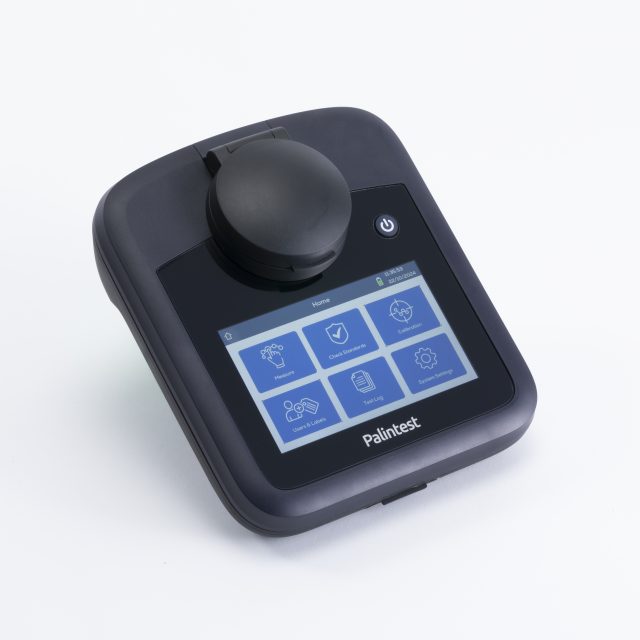
Palintest has developed Kemio sensors specifically for monochloramine and low-range ammonia monitoring in distribution systems. The Monochloramine (MOA) sensor measures 0.2-5.0 mg/L across typical distribution residual concentrations, whilst the Ammonia Low Range (ALR) sensor detects 0.2-2.0 mg/L free ammonia. Both deliver results in under five minutes using sealed electrochemical sensors that eliminate reagent handling entirely.
The critical advantage for distribution operators lies in combined testing capability. Palintest’s Kemio platform enables operators to measure both monochloramine and free ammonia from the same sample location during a single site visit. This paired data reveals whether ratios remain within optimal ranges or if adjustments to ammonia or chlorine dosing are required.
The rapid turnaround enables same-day operational responses rather than waiting for laboratory confirmation whilst problems compound.
Built-in temperature compensation ensures accurate monochloramine ammonia testing across 5-50°C—critical for systems where water temperature varies seasonally or between cold and hot water services. The Kemio platform’s digital integration with Palintest Connect automatically timestamps results, GPS-tags sampling locations, and uploads data to cloud-based dashboards. Supervisors monitor residual trends across the entire distribution system from any device, identifying spatial patterns that suggest infrastructure issues or process improvements.
Practical Implementation Across Distribution Operations
Utilities implementing comprehensive monochloramine ammonia testing programmes report multiple operational benefits beyond regulatory compliance. Process optimisation improves when operators receive immediate feedback on dosing adjustments—testing monochloramine and ammonia before and after changing chemical feed rates confirms whether modifications achieve desired ratios. Storage tank management becomes proactive when regular testing identifies facilities where excessive water age causes residual decay, informing decisions about mixing systems or operational strategies.
Customer complaint response accelerates dramatically. When consumers report taste or odour issues, field crews using Palintest’s Kemio sensors can verify residual conditions at the complaint location within minutes. This immediate data shows whether the problem stems from monochloramine levels, excess dichloramine formation, or unrelated causes—guiding appropriate responses and preventing unnecessary system-wide interventions.
Service engineers installing monochloramine generation systems at healthcare facilities and municipalities can use paired monochloramine and ammonia testing to commission equipment confidently. The ability to verify correct ratios at multiple sampling points during a single site visit—measuring both parameters in under 5 minutes per location—enables technicians to demonstrate system performance to facility managers before handover, confirming that dosing equipment maintains appropriate balance throughout the building.
Moving Towards Proactive Distribution Management
Secondary disinfection represents one of drinking water’s invisible success stories. Millions receive safe water daily because distribution systems maintain protective residuals that prevent microbial regrowth. However, this protection depends entirely on maintaining chemical balances that traditional monitoring approaches struggle to verify frequently enough for true operational control.
Modern monochloramine ammonia testing technology removes the barriers—lengthy analysis times, complex procedures, hazardous reagents—that historically limited monitoring frequency. When field crews can generate reliable monochloramine and free ammonia data in minutes rather than days, utilities transform from reactive problem-solvers into proactive water
quality managers. Problems get identified at emergence rather than after customer complaints force expensive responses.
Palintest’s 150-year heritage in water quality measurement has consistently focused on bringing laboratory precision to field applications where operational decisions happen. The Kemio platform for monochloramine and ammonia represents this philosophy: providing water quality professionals with tools that make comprehensive monitoring practical, not aspirational. By simplifying the testing that verifies chemical balance, utilities protect both water safety and customer satisfaction—the dual mandate that defines successful distribution management.
Frequently Asked Questions
Why do utilities use monochloramine instead of chlorine for distribution?
Monochloramine persists longer in distribution systems, forms fewer regulated disinfection byproducts like trihalomethanes, and creates less taste and odour complaints than chlorine alone. Whilst less effective initially, its stability makes it ideal for maintaining residuals across large networks.
What is the optimal chlorine-to-ammonia ratio for monochloramine formation?
Target weight ratios of 4:1 to 5:1 (chlorine to ammonia) produce predominantly monochloramine. Ratios above 5:1 create dichloramine and trichloramine causing odour complaints. Insufficient chlorine allows free ammonia to persist, risking nitrification events.
How does Palintest’s Kemio system measure both parameters together?
Kemio’s MOA sensor measures monochloramine (0.2-5.0 mg/L) whilst the ALR sensor detects free ammonia (0.2-2.0 mg/L). Operators test both parameters from the same sample location in under 5 minutes, revealing whether ratios remain optimal or require dosing adjustments.
What causes nitrification in chloraminated systems?
Free ammonia above 0.1 mg/L provides nutrients for nitrifying bacteria that consume ammonia and deplete dissolved oxygen. This causes residual collapse, taste complaints, and requires expensive flushing programmes. Regular monitoring prevents problems by identifying excess ammonia early.
Can field testing replace laboratory analysis for compliance?
Field sensors like Kemio complement certified laboratory analysis by enabling real-time operational control. Laboratories provide official compliance data, whilst field testing guides daily operational decisions about dosing, tank management, and customer complaint investigation.