

Understanding Chlorine Dioxide: What Makes It Superior?
Chlorine Dioxide is a potent disinfectant that differs fundamentally from chlorine in its chemical structure and mode of action. It consists of one chlorine atom and two oxygen atoms, forming a compound (ClO₂) with unique properties that make it especially effective as a disinfectant.
One of the primary reasons Chlorine Dioxide is favored in water treatment is its strong oxidizing capability. This compound has 2.5 times the oxidizing power of chlorine, allowing it to neutralize a broader range of pathogens, including bacteria, viruses, and protozoa, at lower concentrations. This increased efficacy is particularly beneficial in environments where water quality must be maintained under stringent conditions.
Another critical advantage of Chlorine Dioxide is its high solubility in water, which is 10 times greater than that of chlorine. This property enables Chlorine Dioxide to disperse evenly and quickly throughout water systems, ensuring that even hard-to-reach areas are effectively disinfected. Furthermore, unlike chlorine, Chlorine Dioxide does not react with organic matter to produce harmful byproducts such as trihalomethanes (THMs) and halo.
Applications of Chlorine Dioxide in Water Treatment
Given its robust disinfecting properties, Chlorine Dioxide is widely used in various water treatment applications. One of its most common uses is in municipal water systems, where maintaining the safety and quality of drinking water is paramount. In these settings, Chlorine Dioxide is valued not only for its ability to inactivate a wide range of pathogens but also for its stability over time. Unlike other disinfectants that may degrade rapidly, Chlorine Dioxide remains effective for extended periods, providing ongoing protection against microbial contamination.
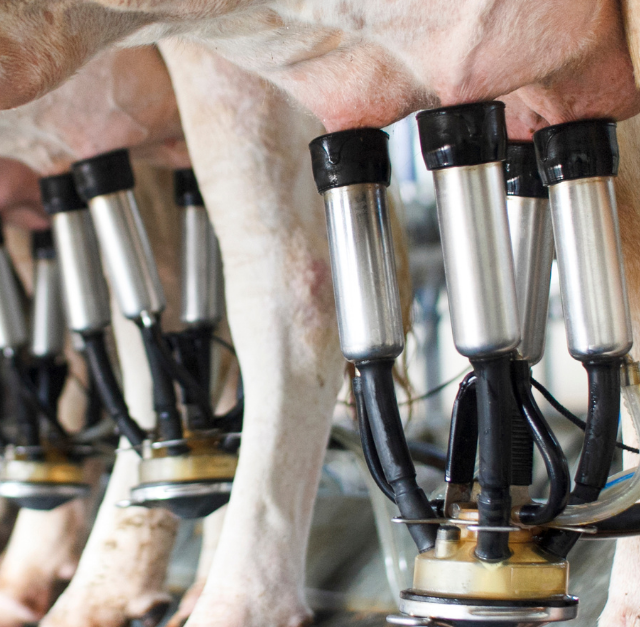
In the food and beverage industry, Chlorine Dioxide is used extensively for sanitizing equipment, rinsing fruits and vegetables, and treating water used in processing. Its ability to disinfect without leaving residual tastes or odors makes it an ideal choice for applications where the quality of the end product is closely tied to the purity of the water used.
Combating Biofilms and Microbial Contamination
Chlorine Dioxide is also particularly effective in combating biofilms—communities of bacteria and other microorganisms that adhere to surfaces within water systems, such as pipes and storage tanks. These biofilms can be notoriously difficult to eliminate and often serve as reservoirs for harmful pathogens. Due to its gaseous nature and strong oxidizing properties, Chlorine Dioxide can penetrate and disrupt biofilms, helping to maintain the integrity and cleanliness of water systems.
The Importance of Testing for Chlorine Dioxide and Chlorite
While the benefits of using Chlorine Dioxide as a disinfectant are clear, it is equally important to ensure that its concentration, as well as the concentration of its byproduct Chlorite, are properly monitored and controlled. This is essential not only to guarantee the effectiveness of disinfection but also to comply with regulatory standards and ensure safety.
Challenges in Traditional Testing Methods
Traditionally, testing for Chlorine Dioxide and Chlorite has been conducted using manual titration techniques. While these methods have been the standard for many years, they are not without significant challenges. Manual titration involves the careful addition of a reagent to a water sample until a chemical reaction indicates the presence and concentration of the target compound. This process is labor-intensive and time-consuming, often taking 30 minutes or more to complete a single test. Moreover, manual titration requires precise handling of chemicals and careful observation of the reaction endpoint, which can introduce variability and potential errors.
Another challenge with traditional testing methods is the need for multiple tests to measure both Chlorine Dioxide and Chlorite separately. This not only increases the time and effort required but also the potential for cumulative errors, leading to less reliable results. In high-stakes environments, such as municipal water treatment or food production, these inefficiencies and inaccuracies can have serious consequences.
The Evolution of Testing: Modern Solutions with Kemio
Recognizing the limitations of traditional testing methods, modern technology has led to the development of more advanced solutions that simplify and enhance the process of monitoring Chlorine Dioxide and Chlorite. Palintest’s Kemio Disinfection system, for example, offers a next-generation approach to testing, utilizing electrochemical sensor technology to provide rapid, accurate, and reliable results.
Ease of Use and Rapid Testing
One of the significant advancements in systems like Kemio is their user-friendly design. The system features an intuitive interface that guides the user through each step of the testing process. This reduces the reliance on specialized training and expertise, making it easier for a broader range of personnel to conduct accurate tests. Additionally, the use of single-use sensors or reagents eliminates the need for complex chemical handling, further simplifying the process.
Systems like Kemio significantly reduce the time required to obtain results, with accurate readings delivered in under 10 minutes. This rapid turnaround is particularly valuable in environments where quick decision-making is critical, such as during routine monitoring in municipal water treatment plants or quality control in food processing facilities. Faster results enable more frequent testing, which in turn provides a more detailed and responsive picture of water quality over time.
Safety Considerations and the Future of Water Quality Testing
Safety remains a paramount concern in water testing, particularly when handling potentially hazardous chemicals. Systems like Kemio are designed with safety in mind, using safer reagents and reducing the need for bulk chemical storage and handling. This not only protects the operators but also simplifies the logistics of conducting tests in a wide range of environments, from large-scale industrial facilities to remote locations.
As water treatment challenges evolve, the need for more sophisticated and efficient testing methods will continue to grow. The integration of modern technology, such as the Kemio system, into Chlorine Dioxide and Chlorite testing represents a significant step forward in ensuring the safety and quality of water supplies. By providing faster, more accurate, and easier-to-use solutions, these advancements are helping operators maintain high standards of water quality while reducing the risks and inefficiencies associated with traditional testing methods.
Chlorine Dioxide remains a critical tool in the arsenal of water treatment professionals, offering unmatched efficacy and safety across a range of applications. However, its benefits can only be fully realized through accurate and reliable testing. The shift towards modern testing systems, exemplified by Kemio, reflects a broader trend in the industry towards greater precision, efficiency, and safety in water quality management. As these technologies continue to develop, they will play an increasingly important role in safeguarding public health and ensuring the sustainability of our water resources.
Sign up for our newsletter
Please add your details below to receive our monthly newsletter and latest offers.